
Buying a House in Texas From California: What Changes With the Money
Moving from California to Texas? How Texas property tax, homestead rules, title insurance and home equity limits differ, and what to plan for first.
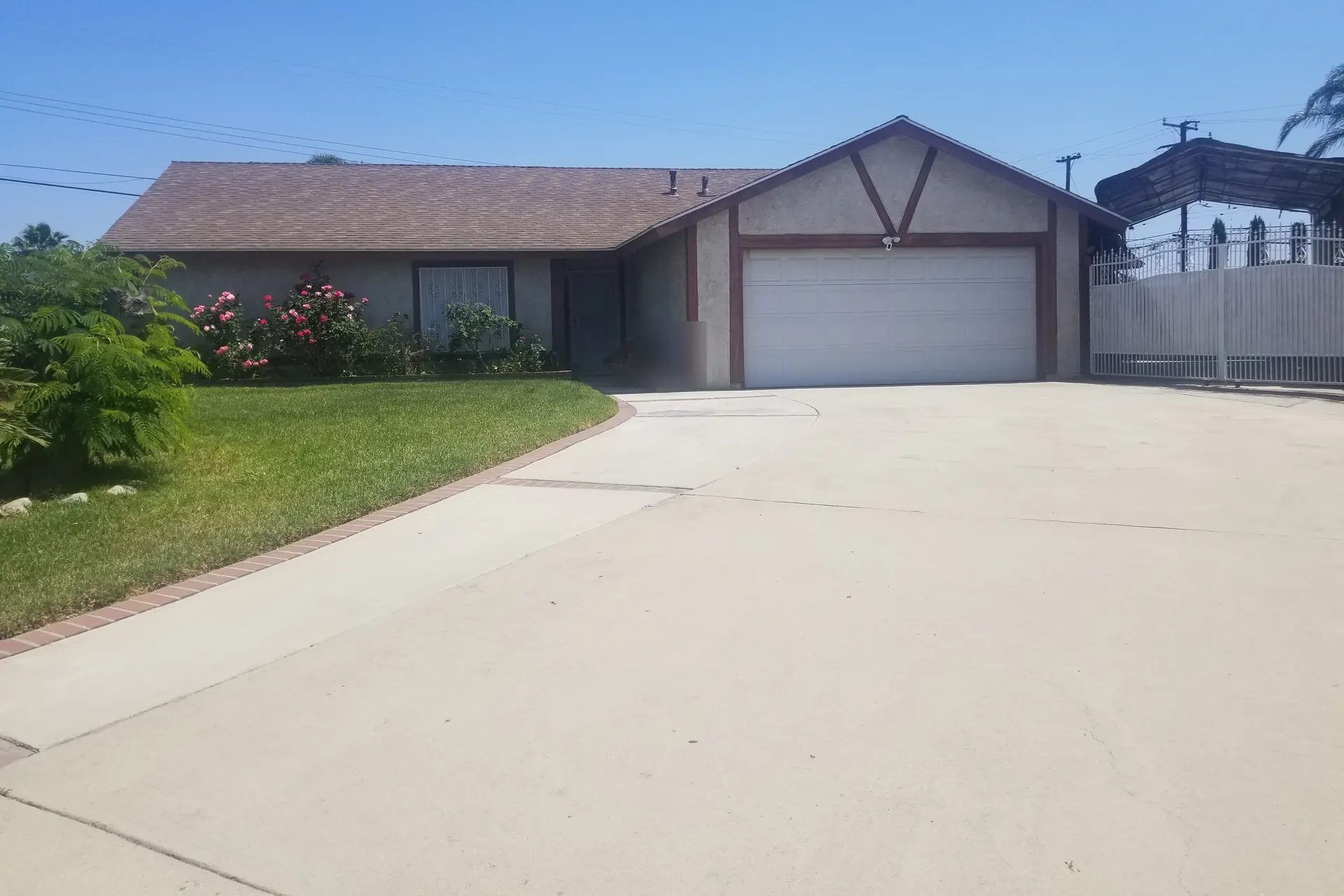
Say you've sold a California house you bought a long time ago. The equity is sitting in escrow, and you've got a Texas listing open on your laptop with a price that looks like a typo. Bigger lot, newer kitchen, a fraction of what you just sold for.
That price is real. What it doesn't show you is the tax bill, the way title and closing work, and a handful of rules that only exist in Texas. None of it should stop the move, but all of it belongs in your numbers before you write an offer, and those numbers have to be run the Texas way.
I've been in this business since 1988, and the people who make this move comfortably are the ones who see the differences early — before the first showing, not after the inspection. Here they are.
Key takeaways
- Texas has no state property tax, but local taxing units set their own rates every year, and the combined bill is usually the line that surprises California buyers most.
- California's Proposition 13 limits the general levy to 1% of assessed value plus debt that voters have authorized. Texas has no equivalent cap on the rate.
- Texas homesteads get a school district exemption ($140,000 under the Tax Code as of 2026) and a 10% limit on annual appraisal increases, but you have to apply, and the limit doesn't start right away.
- Texas has no personal income tax. A lender measures debt-to-income against gross income, so that doesn't raise what you qualify for, but it does change your monthly budget.
- In Texas, the Department of Insurance sets title insurance premiums, so every title company charges the same premium. Other closing fees still vary.
- Texas has its own constitutional rules for home equity borrowing. Know them now if you plan to tap equity later.
Property tax: the line that changes the math
Most of us who've owned in California for a while don't think much about property tax, because Proposition 13 did the thinking for us. The California State Board of Equalization describes it simply: the rate is limited to 1% plus whatever local voters authorize for bonded debt, the value resets to market only on a change of ownership or new construction, and after that the assessed value can rise no more than 2% a year.
Texas works on a different model altogether. The Texas Comptroller's own guidance says it in five words: "Texas has no state property tax." Instead, local governments (school districts, cities, counties and special districts) each decide how much they want to raise and set their own rate. Your bill is the sum of every unit your property sits in. The appraisal district values your home as of January 1 each year, and bills are generally due by January 31 of the following year.
Two things follow from that.
First, two houses at the same price can carry very different tax bills depending on which school district, city and special districts they sit in. You can't compare listings on price alone.
Second, the rate isn't locked. Each taxing unit sets it again every year.
The homestead exemption and the 10% limit
Texas does give owner-occupants real relief, but only if you claim it. The Comptroller notes that Tax Code Section 11.13(b) requires school districts to provide a $140,000 exemption on a residence homestead. Texas voters raised that figure from $100,000 in November 2025.
There's also a limit on how fast a homestead's taxable value can climb. Under Tax Code Section 23.23, the appraised value of a homestead can't rise more than 10% a year. The detail people miss is the start date: that limit takes effect on January 1 of the tax year after the first year you qualify for the homestead exemption.
You apply through the appraisal district in the county where the home sits. The Comptroller lists the general deadline as before May 1.
What this means for your loan
Most loans collect property tax monthly into an escrow account, so the tax estimate flows straight into the monthly figure you'll be living with — which is why it deserves more attention than the list price.
Here's where a Texas purchase can go sideways if nobody's paying attention. The tax history on a listing reflects the seller's value and the seller's exemptions. You don't inherit either one. When we work up a Texas purchase, we estimate the taxes on your purchase price, without the seller's exemptions, before you make an offer. That way the number you see at the start is the number you'll be paying, and nothing about the escrow account surprises you after closing.
No state income tax, and how a lender sees it
Texas has no personal income tax, and since 2019 it has been written into the state constitution: Texas voters passed Proposition 4 that November, about 74% to 26%, barring a personal income tax.
For a household coming from California, that's a meaningful change in take-home pay. It just doesn't change what you qualify for the way people expect. The Consumer Financial Protection Bureau defines debt-to-income as all your monthly debt payments divided by your gross monthly income. Income tax comes out after that line, so the ratio looks the same whether you earn it in Sacramento or San Antonio.
Where it does matter is the budget. Money that used to go to the state now stays with you, and that's often what covers a higher property tax bill. Run both together. Looking at one without the other is how people talk themselves into, or out of, the wrong house.
One more point on income. If you're changing jobs as part of the move, tell your loan officer at the start. A new Texas position, a remote arrangement with a California employer, or a gap between the two are all workable. They're just documented differently, and knowing which one applies on day one keeps the file moving.
Title and closing run differently
In California, I've spent decades watching an escrow company and a title company split the work on a closing. In Texas the title company typically handles the closing, and the pricing works another way.
The Texas Department of Insurance sets title insurance premium rates, and every title agent has to charge the same premium for a policy. TDI also notes that the premium covers the title search, the examination and the closing itself. What you can still shop are the other charges, such as escrow fees, tax certificates, recording and delivery fees, because those vary between agents.
TDI's consumer guidance also recommends comparing the policy's legal description against your survey to make sure it matches what the contract conveys. If a survey never came up on your past purchases, that's a new step to plan for.
Community property: one thing that stays the same
Both states are on the IRS list of community property states in Publication 555, alongside Arizona, Idaho, Louisiana, Nevada, New Mexico, Washington and Wisconsin. If you're married, the idea that property acquired during the marriage belongs to both spouses won't be new to you. How the specific rules apply to your title and your taxes is a question for a Texas attorney or tax professional, and it's worth asking before closing, not after.
If you plan to tap equity later, Texas has its own rules
This one surprises California owners more than anything else on the list. Texas regulates home equity borrowing in its constitution, under Section 50(a)(6). As summarized by the Texas Real Estate Research Center at Texas A&M:
| Rule | What Texas requires |
|---|---|
| Combined limit | Total debt secured by the home can't exceed 80% of fair market value when the credit is extended |
| Advance notice | A separate written notice at least 12 days before closing |
| Frequency | One such loan in any 12-month period, even if the earlier one was paid off |
| Where it closes | The lender's office, an attorney's office or a title company |
If part of your plan is to buy in Texas now and pull equity out later for a business, a second property or a remodel, those limits belong in the plan from the beginning.
Loan limits: check the county, not the state
FHFA set the 2026 baseline conforming loan limit for a one-unit home at $832,750, with a ceiling of $1,249,125 in high-cost areas. California buyers are often used to working with a high-cost county limit. Don't assume that number follows you. Look up the limit for the specific Texas county before you settle on a price range, because it decides whether a loan is conforming or jumbo.
Common questions
Do I need to sell my California house before I buy in Texas?
Not necessarily. It depends on whether you can carry both homes for a while, and that comes down to your income, your reserves and how the California home is treated in your file. Settle that question first, because it shapes everything after it.
Can I file for the Texas homestead exemption the day I close?
You apply with the appraisal district once the home is your residence, and the Comptroller lists the general deadline as before May 1. The 10% limit on appraisal increases starts the tax year after the first year you qualify, so file promptly.
Does no state income tax mean I'll qualify for a bigger loan?
Usually not. Debt-to-income is measured against gross income, so the ratio doesn't change. What changes is how much of each paycheck you keep, which matters for your budget.
Why is the property tax estimate on a listing often wrong for a buyer?
Because it reflects the seller's appraised value and the seller's exemptions. Your bill will be based on your own value and your own exemptions, so it should be estimated fresh at your purchase price.
Where to go from here
If you're comparing what you'd need in Texas against what you have now, start with our Texas down payment assistance guide and the loan program pages.
And if you'd like a Texas tax and escrow estimate built on your actual price range before you start touring, get in touch. We'll show you the whole picture up front.
Sources
- California State Board of Equalization, Publication 29 — California Property Tax: An Overview retrieved 2026-10-16
- Texas Comptroller — Property Tax Basics retrieved 2026-10-16
- Texas Comptroller — Property Tax Exemptions retrieved 2026-10-16
- Tex. Tax Code § 23.23 — Limitation on Appraised Value of Residence Homestead retrieved 2026-10-16
- FOX 4 — Texans pass Proposition 13 increasing homestead exemption (2025) retrieved 2026-10-16
- Ballotpedia News — Texas voters approve Proposition 4, which bans a state income tax (2019) retrieved 2026-10-16
- CFPB — What is a debt-to-income ratio? retrieved 2026-10-16
- Texas Department of Insurance — Title Insurance FAQs retrieved 2026-10-16
- IRS Publication 555 — Community Property retrieved 2026-10-16
- Texas Real Estate Research Center — What to Know About Home Equity Loans in Texas retrieved 2026-10-16
- FHFA — FHFA Announces Conforming Loan Limit Values for 2026 retrieved 2026-10-16
National One Mortgage Corp — NMLS #246740 · California DRE #01129578
Responsible broker: Jeff Maas · NMLS #246684 · DRE #00981576
Author: Jeff Maas · NMLS #246684
Licensed in CA, AZ, TX, FL, OK, AL, SC, with TN in process. NMLS Consumer Access
Equal Housing Opportunity.
This page is educational and is not a commitment to lend, a rate quote, an approval, or a qualification decision.