Benefits of FHA Loans in Florida: Condos, Insurance and the 2026 County Limits
FHA works the same in Florida, but condos, insurance and flood zones change the picture. HUD's 2026 Florida limits and the condo approval rules explained.
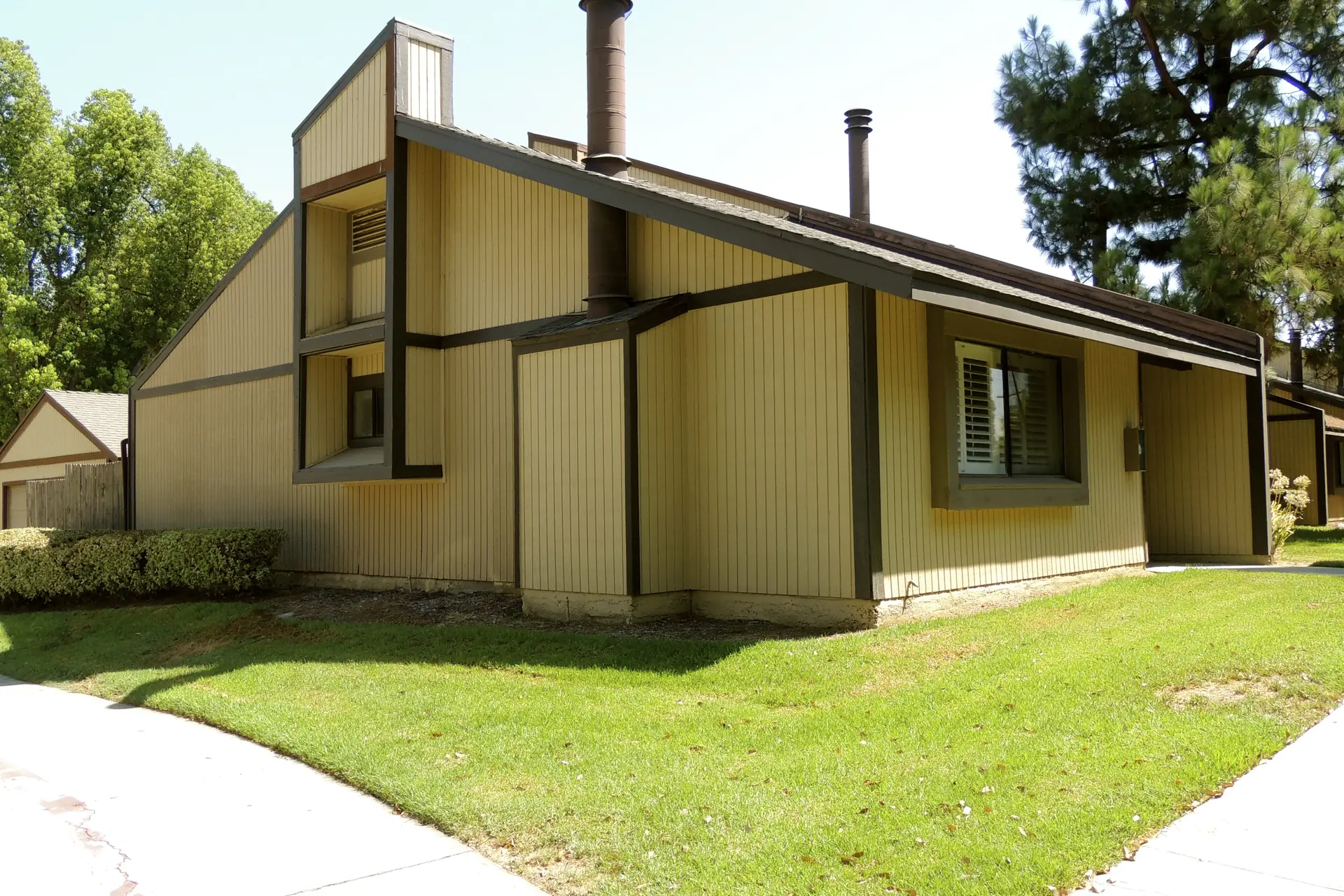
Picture a buyer in Fort Lauderdale with steady income, a credit score in the low 600s, and her eye on a two-bedroom condo ten minutes from the beach. On paper she's a textbook FHA borrower. Then her agent asks the question that decides more Florida FHA purchases than credit ever does: is the building on HUD's approved list?
FHA works the same way in Florida as it does in every other state. The credit flexibility, the gift rules and the mortgage insurance structure are national, and we cover them in our post on FHA loan benefits. What changes in Florida is everything around the loan: the condo market, the insurance bill, the flood maps and the county loan limits. That's where Florida buyers win or lose with FHA, so that's what this post is about.
Key takeaways
- FHA's core benefits (room for imperfect credit, gift funds, an assumable loan) apply in Florida exactly as they do nationally.
- A condo has to be in a HUD-approved project, or qualify for HUD's single-unit approval, before FHA will insure a loan on it.
- Florida's post-Surfside condo laws pushed associations into structural inspections, reserve studies and special assessments, and all of that shows up in the paperwork HUD reviews.
- Homeowners insurance, flood insurance and HOA dues count in the monthly housing cost a lender qualifies you on, and in Florida they can move your numbers as much as the rate does.
- HUD set 2026 FHA one-unit limits at $541,287 in most Florida counties, rising to $990,150 in Monroe County.
The benefits FHA carries into every state
A short recap, since the national post goes deeper. FHA is built for the borrowers conventional underwriting treats harshly: lower credit scores, a thin credit history, a credit event a few years back, or a debt-to-income ratio above conventional comfort. FHA lets the down payment come from a documented gift from family or another eligible donor. And an FHA loan can be assumed by a qualified buyer with the servicer's consent, which can be a real selling point when you sell years from now.
The cost is mortgage insurance, which FHA charges both upfront and annually. How long the annual premium lasts depends on your loan-to-value at the start, and HUD's rule on that is laid out in the national post.
None of that is specific to Florida, but the next four sections are.
Florida condos: the approval question comes first
Condos make up a large share of the entry-level housing in South Florida, Tampa Bay and along both coasts. That makes the condo rules the most important FHA issue in the state.
With a condo, FHA looks at the building as well as the borrower. There are two routes.
Project approval. The whole project is submitted to HUD. Once it's approved, it appears in HUD's public condominium database, where anyone can search by project name, city or ZIP code and see the status and the expiration date. Approval generally runs three years before the association has to recertify, so a building that was approved when a neighbor bought may have lapsed since.
Single-unit approval. When a project isn't on the list, FHA can sometimes insure a loan on one unit through a single-unit approval under HUD's Handbook 4000.1. It has its own tests. HUD's form for it asks for the share of units already carrying FHA loans, the owner-occupancy percentage, how many units any one owner holds, and how many owners are behind on dues. HUD's document checklist adds the master hazard and liability policies, the HO-6 requirement, flood documentation, the recorded declarations and an explanation of any litigation.
Both routes depend on information the association controls. So we ask for the condo questionnaire, the budget and the insurance certificates at the start, before a buyer has paid for an inspection or an appraisal. If a building can't qualify, the first week is the time to find out, while there's still room to pick a different unit or a different loan.
Why post-Surfside Florida makes this harder
After the 2021 collapse in Surfside, Florida required milestone structural inspections and structural integrity reserve studies, known as SIRS, for condominium buildings. The legislature revised both again in 2025 with HB 913, effective July 1, 2025. That law limited the requirements to buildings with three or more habitable stories, moved the SIRS deadline from December 31, 2024 to December 31, 2025, and allowed associations to fund required reserves through a special assessment, a line of credit or a loan with owner approval.
For a buyer, this matters two ways. Reserves, delinquencies and pending special assessments are part of what HUD and lenders review, and an association in the middle of major repairs can have a harder time getting or keeping approval. And a special assessment is a monthly cost you'll carry, which counts when you qualify.
HB 913 also gave condo buyers seven days after receiving the governing documents to cancel the purchase contract. Use that window. The documents tell you about the reserves, the inspection status and any assessments before you're committed.
Insurance counts in what you qualify for
When a lender figures your housing cost for qualifying, it isn't principal and interest alone. The CFPB describes the total monthly payment as principal and interest plus mortgage insurance, if any, plus the escrow for homeowners insurance and property taxes. HOA or condo dues are usually paid straight to the association rather than through your servicer, but a lender still counts them in your debt-to-income ratio. Our post on debt-to-income ratio walks through how that math works.
In much of the country, insurance is a small line in that calculation. In Florida it often isn't. Two homes at the same price can carry very different premiums depending on wind exposure, the age of the roof and the distance to the coast, and that difference flows straight into the ratio a lender uses. That's why we put a real insurance quote into the numbers at the start, before an offer goes in whenever possible. The qualifying picture you see on day one is then the one that holds through closing.
Condo buyers carry a second layer. The association's master policy covers the building, and you'll typically need your own HO-6 policy for the interior. Both costs, and the dues that pay for the master policy, belong in the budget from the beginning.
Flood insurance
If a home's improvements sit in a Special Flood Hazard Area mapped by FEMA and flood insurance is available in that community, HUD requires the borrower to get it and keep it. A large part of coastal Florida falls in those zones, and so do pockets well inland.
Since HUD Mortgagee Letter 2022-18 took effect on December 21, 2022, FHA has accepted private flood insurance that meets its requirements in place of a National Flood Insurance Program policy. That gives Florida buyers a second place to shop for the premium. Not every private policy qualifies, so we check the policy against FHA's requirements before it goes in the file.
2026 FHA loan limits in Florida
HUD set the 2026 FHA one-unit limits at a national floor of $541,287 and a ceiling of $1,249,125, for case numbers assigned on or after January 1, 2026. Most of Florida sits at the floor. Here's where the larger markets landed for 2026, one-unit properties, from HUD's county limits:
| County | 2026 FHA one-unit limit |
|---|---|
| Monroe | $990,150 |
| Collier | $764,750 |
| Miami-Dade, Broward, Palm Beach | $667,000 |
| Martin | $603,750 |
| Duval, St. Johns, Nassau | $580,750 |
| Sarasota, Manatee | $547,400 |
| Orange, Osceola, Seminole, Hillsborough, Pinellas, Polk, Lee, Brevard, Volusia | $541,287 |
The limit caps the loan amount, not the price of the home. If the loan you need is above your county's 2026 figure, FHA isn't available for that purchase, and the comparison moves to conventional financing, where FHFA's 2026 baseline conforming limit for a one-unit home was $832,750. HUD publishes new limits every year, so check the current figure for the year you buy.
When FHA is the right call in Florida
FHA tends to win in Florida when your credit profile fits FHA better than conventional and the property clears the hurdles above: a single-family home, a townhome outside a condo regime, or a condo in an approved project with healthy reserves.
It tends to lose when the building is the problem. A condo with no HUD approval, a large special assessment underway, or reserves that don't meet the tests may not work for FHA at all, and conventional financing runs its own separate project review. And if your credit is strong, conventional mortgage insurance can often be removed once you build enough equity, which FHA's annual premium may not allow.
The surest way to decide is to run both on the same property. Our FHA vs conventional comparison lays out how the two differ, and the FHA program page covers the full requirements.
Common questions
How do I know if a Florida condo is FHA-approved?
Search HUD's public condominium database by the project name, city or ZIP code. It shows whether the project is approved and when that approval expires. If it isn't listed, a single-unit approval may still be possible, depending on the building's FHA concentration, owner occupancy, delinquencies and reserves.
Does FHA require flood insurance in Florida?
When the home's improvements are in a FEMA Special Flood Hazard Area and flood insurance is available in that community, yes. Since late 2022, FHA has accepted qualifying private flood policies as well as National Flood Insurance Program policies.
Do Florida's condo reserve laws affect an FHA loan?
They can. Milestone inspections, reserve studies and the special assessments that often follow them are part of the association's financial picture, which HUD and lenders review. A building in the middle of major repairs may have trouble getting or keeping approval.
Where to go from here
National One Mortgage lends in Florida, and our Florida page covers what we offer there. If you're weighing FHA on a specific Florida property, especially a condo, get in touch with the address or the building name. We'll check the project status, the flood zone and the insurance picture first, so you know whether FHA fits before you spend money on the purchase.
Sources
- HUD, FHA Announces 2026 Loan Limits (HUD No. 25-145) retrieved 2026-11-20
- HUD, FHA Single-Unit Approval condominium required documents retrieved 2026-11-20
- HUD Mortgagee Letter 2022-18, Acceptance of Private Flood Insurance for FHA-Insured Mortgages retrieved 2026-11-20
- CFPB, Principal and interest payment vs. total monthly payment retrieved 2026-11-20
- CFPB, Are condo/co-op fees or HOA dues included in my monthly mortgage payment? retrieved 2026-11-20
- Florida Senate, CS/CS/HB 913 (2025) bill summary retrieved 2026-11-20
- Florida Realtors, Realtor-Supported Condo Bill Becomes Law (June 2025) retrieved 2026-11-20
- Florida Realtors, FHFA sets 2026 caps (November 2025) retrieved 2026-11-20
- Make Florida Your Home, Florida FHA loan limits 2026 by county (citing HUD) retrieved 2026-11-20
- LendingTree, 2026 FHA loan limits in Florida (citing HUD) retrieved 2026-11-20
- Redfin, How do you know if a condo is FHA approved? retrieved 2026-11-20
National One Mortgage Corp — NMLS #246740 · California DRE #01129578 · Loans made or arranged pursuant to a California Financing Law license #60DBO-219562
Responsible broker: Jeff Maas · NMLS #246684 · DRE #00981576
Author: Jeff Maas · NMLS #246684
Licensed in CA, AZ, TX, FL, OK, AL, SC, TN. NMLS Consumer Access
Equal Housing Opportunity.
This page is educational and is not a commitment to lend, a rate quote, an approval, or a qualification decision.