
Cash-Out Refinance on a Rental Property: How Much You Can Take, When, and What You Need Left Over
How a cash-out refinance on a rental works: Fannie Mae's loan-to-value caps, the 12-month seasoning rule, reserve requirements and when a DSCR loan fits.
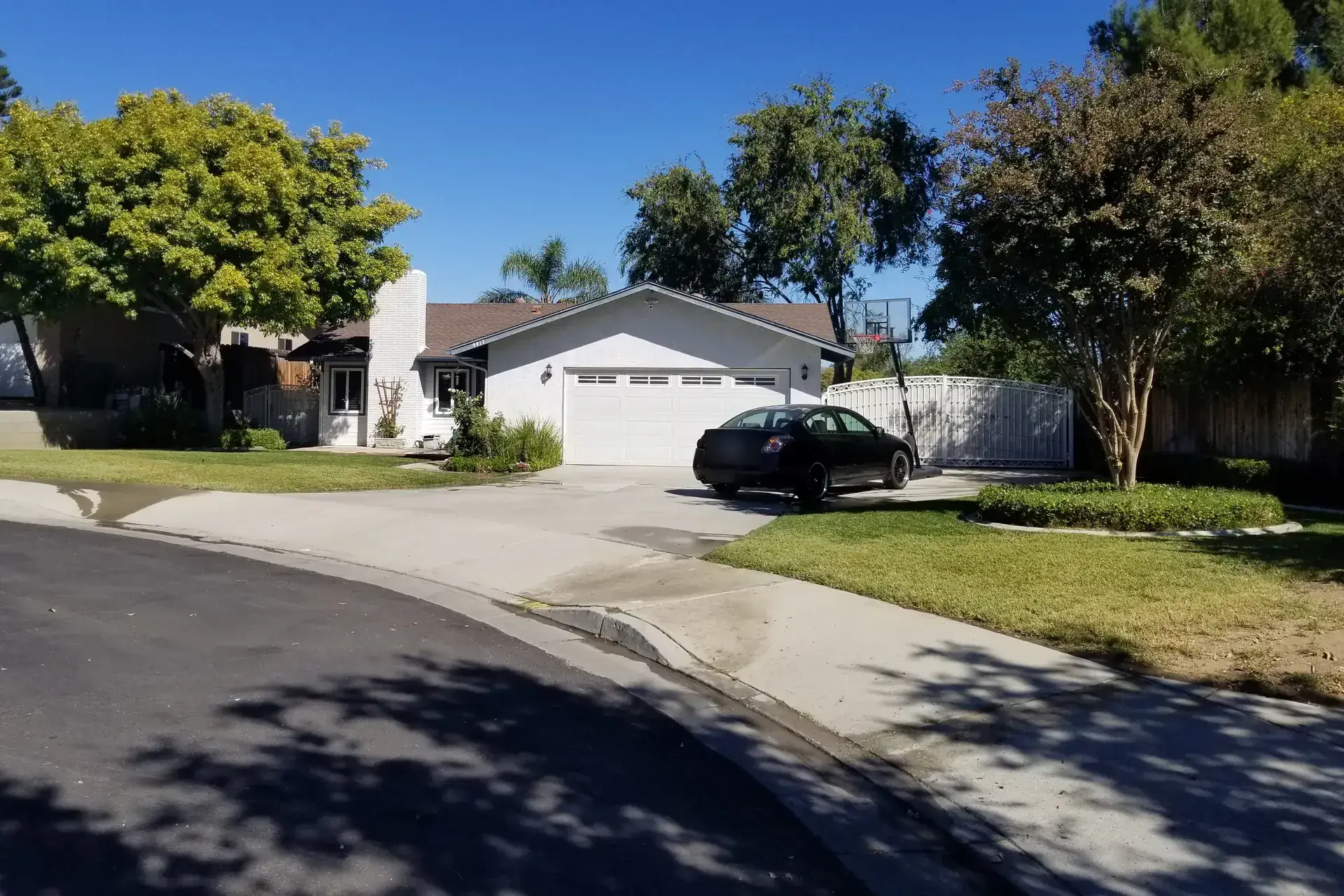
Say you bought a single-family rental eight years ago. The tenant pays on time, the loan balance has worked its way down, and the house is worth a good deal more than you paid. You'd like to use that equity for a second rental, or to pay off a higher-cost loan, without selling the first one.
That's a cash-out refinance on an investment property. It works, and it's one of the most common ways owners grow a small portfolio, but the rules are tighter than on a home you live in. The limits on how much you can take, how long you have to own the place first, and how much cash you need left over afterward are all set by the agencies that buy the loans.
Here's how those rules work, and where owners get tripped up.
Key takeaways
- Fannie Mae's Eligibility Matrix dated April 1, 2026 capped a conventional cash-out refinance on an investment property at 75% of value for one unit and 70% for two to four units.
- Fannie requires the first mortgage being paid off to be at least 12 months old, measured note date to note date, and at least one borrower must have been on title for six months.
- If you bought the property with cash in the last six months, Fannie's delayed financing exception may let you pull your money back out sooner.
- Fannie calls for six months of reserves on an investment property transaction, plus a percentage of the balances on your other financed properties, and the cash from this refinance can't count toward it.
- A DSCR loan qualifies on the property's rent instead of your tax returns, which helps when your returns understate what you earn.
How much equity you can pull out
The ceiling is a loan-to-value cap, and it applies to every lien on the property combined. Fannie Mae's Eligibility Matrix, effective April 1, 2026, set the maximum for a cash-out refinance on an investment property at 75% of appraised value on a one-unit home and 70% on a two-to-four-unit property.
Say the appraisal comes in at $500,000 on a single-family rental with $210,000 left on the current loan. At Fannie's 75% cap, the new loan tops out at $375,000. Pay off the $210,000 and about $165,000 is left before closing costs and any other liens come out of it.
Two things shrink that figure more often than people expect. The first is the appraisal itself. Owners tend to price their property off the best sale on the street, and the appraiser won't. The second is another lien. A HELOC or a private note on the property has to be paid off or fit under the same cap, because Fannie measures combined loan-to-value, not only the first mortgage.
The two clocks: seasoning and time on title
Fannie Mae's Selling Guide sets two separate timing rules for a cash-out refinance.
The existing first mortgage has to be at least 12 months old. Fannie measures it from the old note date to the new note date. If you refinanced the rental nine months ago, you're waiting until the anniversary, regardless of how much equity you have.
At least one borrower must have been on title for at least six months before the new loan funds. There are exceptions for property you inherited or were awarded in a divorce, and for certain LLC or revocable trust arrangements.
If you deeded the property into an LLC a while back for liability reasons, bring that up at the start. The guide has a path for it, but the paperwork has to line up with what the title report shows, and it's far easier to sort out before the appraisal is ordered than after.
Bought it with cash? The delayed financing exception
Investors who buy with cash to win a deal often want that money back quickly — usually so they can buy the next one. Fannie's delayed financing exception is built for that case. It lets you take cash out within the first six months, ahead of the usual title clock, if all of the following hold:
- The purchase was an arm's-length transaction.
- The settlement statement shows no mortgage financing was used to buy it.
- The source of the purchase funds is documented, and the title search shows no liens.
- The new loan is no more than what you documented as your initial investment, plus financed closing costs, prepaid fees and points, and it still has to fit under the cash-out loan-to-value cap.
The documentation is where these files succeed or stall. If the purchase money came from a business account, a 1031 exchange, or a sale of another asset, gather that paper trail when you buy, not when you refinance. We ask for it on the first call so the gap never shows up in underwriting.
Reserves: the part that surprises people
Fannie Mae's Selling Guide calls for six months of reserves on an investment property transaction underwritten through its automated system. Reserves means money that stays in your accounts after closing, measured against the monthly housing cost on the property.
If you own other financed properties, Fannie adds a second layer on top of that, figured as a percentage of the combined unpaid balances on those other loans:
| Other financed properties you own | Additional reserves Fannie requires |
|---|---|
| One to four | 2% of the combined unpaid balances |
| Five to six | 4% of the combined unpaid balances |
| Seven to ten | 6% of the combined unpaid balances (automated underwriting only) |
Fannie's guide also caps the count at ten financed properties when the subject is an investment property, and the limit is measured through its automated underwriting system.
The catch: Fannie lists cash proceeds from a cash-out refinance on the subject property as an unacceptable source of reserves. You can't use the money you're pulling out to satisfy the reserve test on the same loan.
So an owner with several rentals can have plenty of equity and still come up short on reserves. We run that number before anything else, because it decides whether the conventional route works at all. For how reserves fit with the rest of the file, see our post on what underwriters look at.
How the rental income gets counted
On a conventional loan, the rent has to show up in your documentation, not only in your bank deposits. Fannie looks to your most recent signed federal tax return, including Schedule E, for a property you've owned through a full tax year. For a property you placed in service during the current calendar year, a lease can stand in, and the lender confirms it's in effect, typically with two consecutive months of rent received that match the lease.
This is where many investors hit a wall. Depreciation, repairs and a vacancy month can make a property look like it loses money on Schedule E even when it's cash-flow positive. That lower figure flows straight into your debt-to-income ratio. If your returns are written to minimize tax, as many investors' are, the conventional math can come out worse than the property's real performance.
For how that ratio is calculated and what counts against it, see our post on debt-to-income ratio for mortgage qualifying.
When a DSCR loan is the better fit
A DSCR loan sets your tax returns aside and qualifies the property on its own rent compared with its housing cost. For an owner whose Schedule E understates the property, or who holds title in an LLC, that's often the cleaner route to a cash-out.
The trade off is that DSCR loans aren't bought by Fannie or Freddie. Each investor that buys them sets its own loan-to-value limits, seasoning and reserve rules, and pricing generally runs higher than a conventional loan for a borrower who qualifies both ways. Our post on DSCR loan requirements covers how the ratio is figured and what lenders look at beyond it.
What it costs compared with a regular refinance
Cash-out pricing on a rental runs higher than a plain rate-and-term refinance. Fannie applies a loan-level price adjustment to cash-out transactions that moves with your loan-to-value and credit score. So pulling less cash, or bringing a stronger score, can make a noticeable difference.
That's why the right loan amount isn't always the maximum. If you need $120,000 for the next purchase, borrowing to the full cap may cost you more over the life of the loan than taking only what the plan calls for. We'll price more than one loan amount, and both programs, so you can decide with the numbers in front of you.
Common questions
Can I do a cash-out refinance on a rental I bought less than a year ago?
Possibly. Fannie Mae requires an existing first mortgage to be at least 12 months old before it's paid off in a cash-out refinance, so a financed purchase usually waits. If you bought with cash, Fannie's delayed financing exception may let you take your documented investment back out within six months of the purchase.
Can I use the cash-out money as my reserves?
Not on a Fannie Mae loan. Fannie's Selling Guide lists cash proceeds from a cash-out refinance on the subject property as an unacceptable source of reserves, so the reserves have to come from money you already hold.
Does a cash-out refinance on a duplex or fourplex work the same way?
The rules are the same, but Fannie Mae's April 2026 Eligibility Matrix set the cap at 70% of value for two to four units, compared with 75% for a single unit, so the same equity produces less cash.
Can I refinance a rental held in an LLC?
Fannie Mae's Selling Guide allows certain LLC ownership to count toward its six-month title requirement, so an LLC doesn't rule out a conventional cash-out. Owners who want the new loan itself in the LLC's name often look at a DSCR loan, and we'll check how each investor handles entity vesting when we price it.
Start with the numbers
Before you count on a figure, send us the property, its current balance and any other liens, and a rough list of your other financed properties. We'll run the loan-to-value cap, the seasoning dates and the reserve requirement together, so you know what the refinance can produce and which program fits. See our refinance options, or contact us to start.
Sources
- Fannie Mae Eligibility Matrix (effective April 1, 2026) retrieved 2026-11-03
- Fannie Mae Selling Guide B2-1.3-03, Cash-Out Refinance Transactions retrieved 2026-11-03
- Fannie Mae Selling Guide B3-4.1-01, Minimum Reserve Requirements retrieved 2026-11-03
- Fannie Mae Selling Guide B2-2-03, Multiple Financed Properties for the Same Borrower retrieved 2026-11-03
- Fannie Mae Selling Guide, Rental Income retrieved 2026-11-03
National One Mortgage Corp — NMLS #246740 · California DRE #01129578 · Loans made or arranged pursuant to a California Financing Law license #60DBO-219562
Responsible broker: Jeff Maas · NMLS #246684 · DRE #00981576
Author: Jeff Maas · NMLS #246684
Licensed in CA, AZ, TX, FL, OK, AL, SC, TN. NMLS Consumer Access
Equal Housing Opportunity.
This page is educational and is not a commitment to lend, a rate quote, an approval, or a qualification decision.