
Buying in Arizona From California: How Occupancy, Property Tax and Your California Home Shape the Loan
Buying in Arizona from California? How occupancy type, Arizona's Class 3 and Class 4 property tax, and your California home shape the loan in 2026.
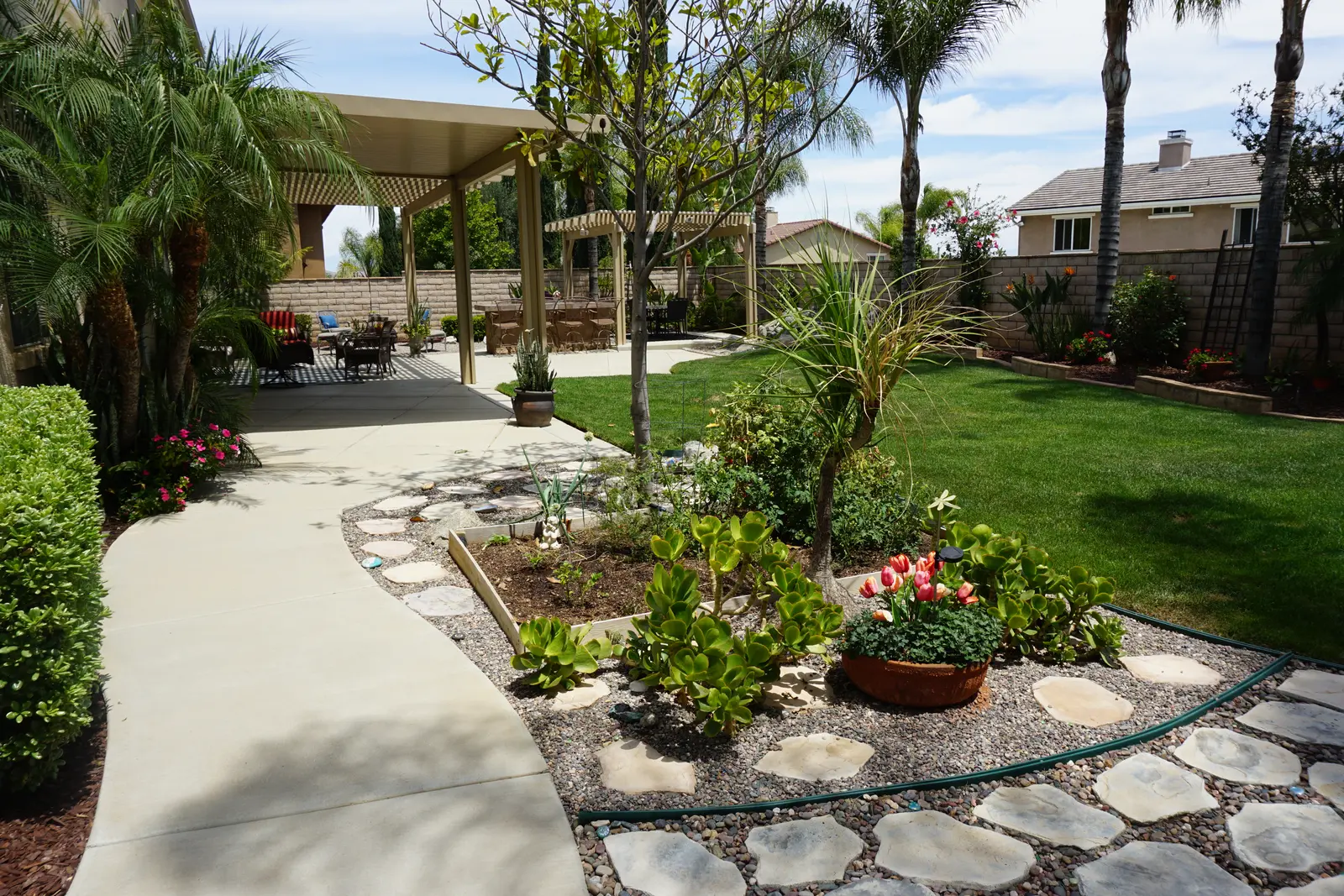
Say you've spent a few winters driving east on the 10 to visit family in Scottsdale, and this year you're done renting. Maybe it's a second home for the cold months. Maybe the plan is to move there for good and keep the California house as a rental. Either way, you've started opening Arizona listings at night, and the prices look a lot friendlier than the ones you're used to.
Before we talk price, the first thing I ask a California buyer heading to Arizona is how the house will be used, because that answer decides how the loan is written, how the county taxes the property and what happens to the California home you already own. I've been doing this since 1988, and the buyers who settle that question first save themselves the most trouble later.
Here's what changes when the money crosses the state line.
Key takeaways
- Fannie Mae sorts every home into a principal residence, a second home or an investment property, and each has its own rules. Pick the one that matches how you'll live in the house.
- Arizona taxes a primary residence (Class 3) and a non-primary home (Class 4) differently, and only Class 3 gets the state's homeowner rebate.
- If you buy in Arizona before your California home sells, a lender normally counts both housing payments unless the sale is under contract with the buyer's financing contingency cleared.
- Arizona's constitution bars any new tax on transferring real property, so there's no transfer tax line on an Arizona closing statement like the one you'd see on a California sale.
- FHFA sets conforming loan limits by county. The figure you're used to in California may not carry over.
Start with occupancy, because everything else follows it
Fannie Mae's Selling Guide recognizes three occupancy types, and the loan has to match the truth.
A principal residence is the home you live in. Fannie Mae expects you to move in within 60 days of closing and stay at least a year. If you're relocating to Arizona for good, this is usually the right box, even if you still own the California house when you close.
A second home is a place you occupy for part of the year. Fannie Mae's guide says it has to be a one-unit home, suitable for living in year-round and under your exclusive control. It can't be mainly operated as a rental, and no management company can control who stays there. You can rent it out now and then, but that income won't be used to qualify you.
An investment property is one you buy to rent out. A winter home that spends most of the year listed on a short-term rental site belongs here, not in the second-home box.
The categories carry different underwriting standards and different pricing, so the temptation is to call a rental a second home. Don't. Occupancy is a statement you sign at closing, and it has to match how you use the house.
Second homes and investment properties have another limit that matters to people who already own several homes. Fannie Mae caps a borrower at 10 financed properties for those loans through Desktop Underwriter, and it requires extra reserves as that number climbs. If you own a couple of California rentals already, count them before you shop.
What happens to the California house
This part of the plan shapes the file more than the Arizona house does, and it usually goes one of three ways.
You sell it first. The cleanest file. The proceeds become your down payment and reserves, and there's no second housing payment to account for.
You buy in Arizona while the California sale is pending. Fannie Mae's rule is direct: the lender uses both your current and new housing payments to qualify you, unless it has the executed sales contract on the California home and confirmation that the buyer's financing contingencies have cleared. Until both are in hand, plan on qualifying with both payments. Our debt-to-income guide shows how that ratio is built.
You keep it and rent it out. Fannie Mae treats a departing residence that becomes a rental under its rental income rules, which cover how much of the rent can count and what documents support it, plus its reserve rules for owning more than one financed property. A signed lease helps. A plan to find a tenant later doesn't count as income yet.
If the California home becomes a second home instead, its full housing payment counts as a monthly debt.
We sort out which path you're on before you write an offer, so the Arizona contract is built around a file that already works.
Arizona property tax: the class on your parcel matters
Arizona splits residential property into two classes. Class 3 is a primary residence. Class 4 covers non-primary homes and rentals. The Maricopa County Assessor's office explains that you can have only one primary residence, no matter how many homes you own, and that a vacation home or a rental can't be Class 3.
The difference shows up on the bill. Only a Class 3 home gets the State Aid to Education credit, which the assessor's office calls the homeowner rebate. A second home or a rental pays without it.
Two things trip up buyers from California:
- If you move to Arizona for good, prove it. Maricopa County accepts documents like an Arizona driver's license or voter registration at the property address as proof of primary residence. If the house is filed in the wrong class, the assessor's process lets you correct it, and the claim can reach back up to three prior tax years with documents for each year.
- If it's a second home, budget for Class 4. A listing's tax figure reflects the seller's class, so it may understate what you'll pay if the seller lived there full time. Our escrow estimate should use your class, not theirs.
Arizona also limits how fast the taxable value can climb. Pima County's assessor describes the Limited Property Value as rising no more than 5% a year unless the property changes significantly. That's a different mechanism from California's Proposition 13, but the goal is similar: a predictable tax base for an owner who stays put.
Closing costs look different on an Arizona statement
California charges a documentary transfer tax when property changes hands. The county rate is $1.10 per $1,000 of value, and some cities add their own.
Arizona doesn't. Article IX, Section 24 of the Arizona Constitution bars the state and every city, county and district from imposing any new tax or fee on selling, buying or transferring real property, apart from those in place on December 31, 2007. The one that survives is a small recording fee: under A.R.S. § 11-1132, Arizona charges $2 when a deed for a sale is recorded.
Title insurance, escrow fees, lender charges and prepaid items still apply, so you'll still see a full closing statement, just without a California-style transfer tax line.
Income tax changes your budget, not your ratio
Arizona's Department of Revenue moved individual income tax to a flat 2.5% for all filers starting in 2025. If you move from California, more of each paycheck may stay with you.
That helps your budget, but it doesn't change how much you qualify for. Lenders measure debt-to-income against gross income, before taxes, so the ratio stays where it was.
One California tax item does follow the house you leave behind. When a non-exempt seller sells California real estate, the Franchise Tax Board generally requires withholding at closing, at 3 1/3% of the sales price under the standard method, unless an exemption applies. Selling your own principal residence under IRC Section 121 is one of the exemptions listed on FTB Form 593. Selling a California rental after you've moved away usually isn't. That's a conversation for your tax preparer before you list, not something to discover in escrow.
Loan limits are set by county
FHFA set the 2026 baseline conforming loan limit for a one-unit home at $832,750, with a high-cost ceiling of $1,249,125. Where a county sits between those two numbers decides whether a loan amount is conforming or jumbo.
California buyers from high-cost coastal counties are often used to a higher limit than the baseline. FHFA updates the figures every year, so look up the limit for the Arizona county you're buying in, for the year you'll close, before you settle on a price range.
If you're thinking about the second-home route with a larger loan, our underwriting guide covers the reserve and layered-risk questions that come up most on those files.
Common questions
Can I buy an Arizona home as a second home if I'll rent it out sometimes?
Fannie Mae allows occasional rental of a second home, but the home can't be mainly operated as a rental, a management company can't control who occupies it, and the rental income won't be used to qualify you. If renting is the main purpose, it's an investment property.
Do I have to sell my California house before I buy in Arizona?
No, but the timing changes your file. Without an executed sales contract and cleared financing contingencies on the California home, a lender normally counts both housing payments. If you'll keep it as a rental, Fannie Mae's rental income and reserve rules apply.
Will my Arizona property tax bill match what the listing shows?
Often not. The listing figure reflects the seller's class and history. A second home or rental falls in Class 4, which doesn't get the homeowner rebate, so the bill should be estimated at your price and your class.
Is there a transfer tax when I buy in Arizona?
No transfer tax. Arizona's constitution prohibits new taxes on transferring real property, and the remaining charge is a $2 recording fee under state law, though title, escrow and lender costs still apply.
Is the process for an Arizona loan different from California?
The loan programs and the underwriting rules are the same national guidelines. What changes is the property tax system, the closing statement and whether the lender is licensed in Arizona. We lend in both states, so one file can carry the California sale and the Arizona purchase.
Where to go from here
If you're also weighing a move to Texas, our guide to buying in Texas from California covers the same questions for that state. The loan program pages explain each program in more detail.
When you're ready to map the California side and the Arizona side together, get in touch. We'll lay out the occupancy choice, the qualifying math and the tax picture before you tour your first house.
Sources
- FHFA, FHFA Announces Conforming Loan Limit Values for 2026 retrieved 2026-11-13
- Fannie Mae Selling Guide B2-1.1-01, Occupancy Types retrieved 2026-11-13
- Fannie Mae Selling Guide B3-6-06, Qualifying Impact of Other Real Estate Owned retrieved 2026-11-13
- Fannie Mae Selling Guide B2-2-03, Multiple Financed Properties for the Same Borrower retrieved 2026-11-13
- Maricopa County Assessor, Legal Class FAQ retrieved 2026-11-13
- Pima County Assessor, New Homebuyers Property Tax Brochure retrieved 2026-11-13
- Arizona Constitution, Article IX, Section 24, Prohibition of new real property sale or transfer taxes retrieved 2026-11-13
- A.R.S. 11-1132, Real estate transfer fee retrieved 2026-11-13
- Arizona Department of Revenue, Individual Income Tax Highlights retrieved 2026-11-13
- California Franchise Tax Board, Form 593 Real Estate Withholding Statement (2024) retrieved 2026-11-13
National One Mortgage Corp — NMLS #246740 · California DRE #01129578 · Loans made or arranged pursuant to a California Financing Law license #60DBO-219562
Responsible broker: Jeff Maas · NMLS #246684 · DRE #00981576
Author: Jeff Maas · NMLS #246684
Licensed in CA, AZ, TX, FL, OK, AL, SC, TN. NMLS Consumer Access
Equal Housing Opportunity.
This page is educational and is not a commitment to lend, a rate quote, an approval, or a qualification decision.