Is an FHA Loan Bad? What It Costs, What It Does Well, and When to Skip It
FHA trades easier qualifying for mortgage insurance that, under HUD's rule, usually lasts the life of the loan. Here's when that trade makes sense.
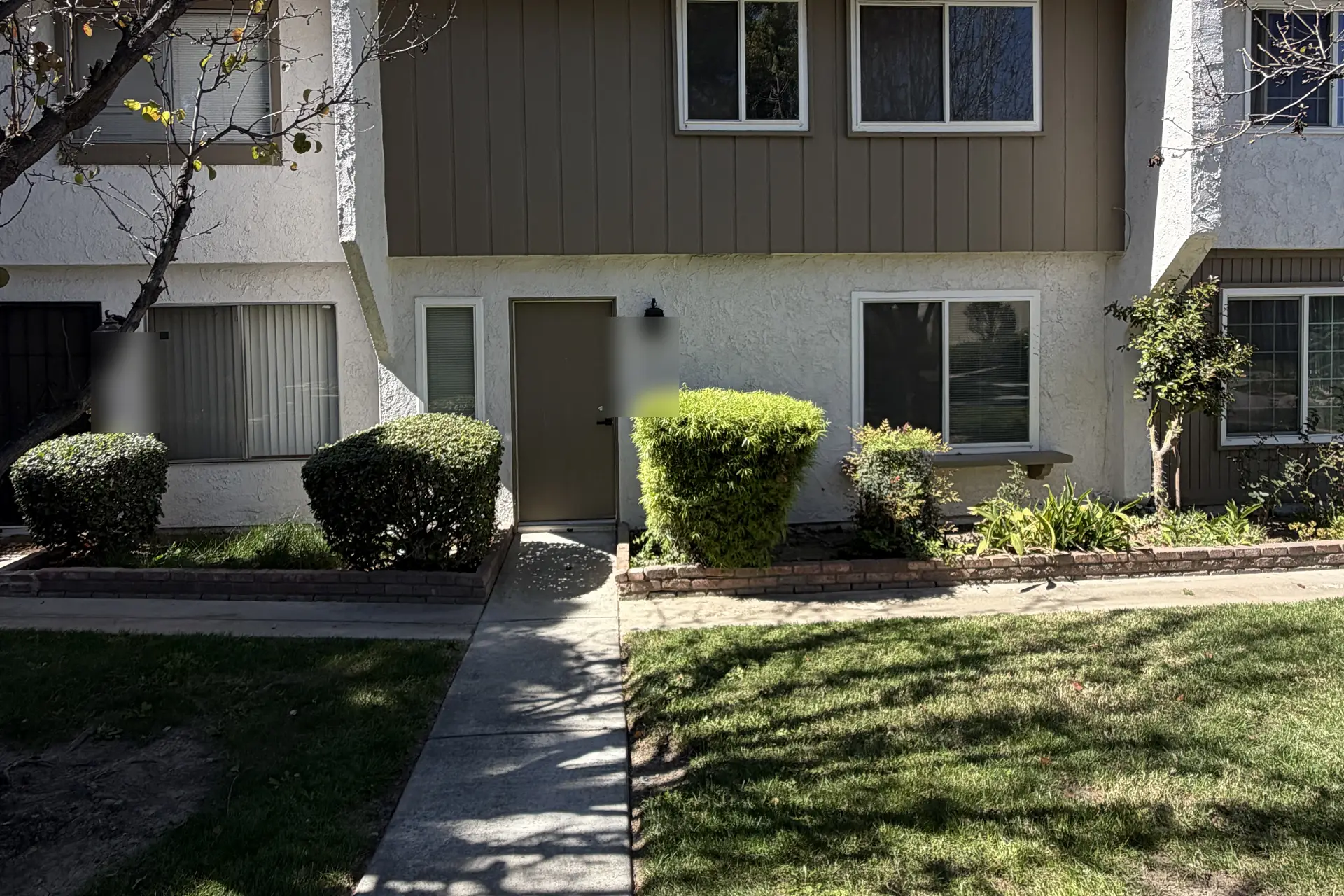
An FHA loan is a trade off, and for a lot of buyers it's the right one. You get easier qualifying when your credit or your history is less than perfect, and in exchange you usually carry mortgage insurance for as long as you keep the loan.
That's the short answer. The rest of this post is about which side of that trade you're on.
The question usually comes from someone who's heard a relative or a coworker call FHA "the bad loan" — or from someone who's been told by a seller's agent that an FHA offer is weaker. Some of that reputation is earned and some of it is out of date. I've been doing this since 1988, and the borrowers who end up unhappy with FHA are almost never the ones who picked it on purpose. They're the ones who landed in it without anyone explaining the exit.
Key takeaways
- FHA is a sound loan priced for borrowers with thinner credit or a recent setback, and it does that job well.
- The main cost is mortgage insurance. Under HUD's current rule, annual MIP lasts for the life of the loan when the loan-to-value at closing is above 90%.
- Conventional private mortgage insurance can come off. Federal law lets you ask for cancellation at 80% of the original value and ends it automatically at 78%.
- FHA's waiting periods after a bankruptcy or foreclosure are shorter than Fannie Mae's standard waits.
- HUD's annual premium table doesn't change with your credit score. Conventional pricing does, which is why FHA often wins at lower scores.
- The smart version of FHA comes with a plan: buy now, then refinance to conventional when your equity and credit support it.
Where the "bad loan" reputation comes from
Three complaints come up over and over, and each one has some truth in it.
"The mortgage insurance never goes away." For most FHA borrowers, that's correct. HUD Mortgagee Letter 2023-05 sets the annual MIP duration by loan-to-value at origination. Above 90%, it runs for the mortgage term. At 90% or below, which means a down payment of at least 10% under HUD's table, it ends after 11 years. Most people choose FHA because they're putting less than that down, so most FHA loans carry MIP until they're paid off or refinanced.
"It costs more." It can. There's an upfront and an annual premium, and both are real costs. HUD did cut the annual premium for most new loans endorsed on or after March 20, 2023, so anyone quoting FHA costs from before then is working from old numbers. Whether FHA costs more than conventional depends on your score and how much you're putting down, which is the next section.
"Sellers don't like FHA offers." Some don't. FHA has its own property standards, and an appraiser working an FHA file will call out things like peeling paint on an older house or a missing handrail that a conventional appraisal might pass over. A seller with several offers may lean toward the one with fewer moving parts. That's a negotiating issue, and a well-prepared FHA buyer with a clean file can still compete. It's also worth knowing which condo projects are on HUD's list before you write an offer on one, since a building that isn't on it adds steps. Our Florida FHA post walks through that condo problem in detail.
What FHA does well
FHA exists to lend to people who conventional underwriting tends to turn away, and that's where it earns its keep.
It's built for imperfect credit. FHA's credit floors sit below conventional's. If your score is in the range where conventional pricing gets steep, FHA is often the cleaner path. Our post on mortgage credit score requirements by program lays the program floors side by side.
Its premium doesn't punish a lower score. This is the part most comparisons skip. HUD's annual MIP table in ML 2023-05 is set by loan term, base loan amount and loan-to-value. There's no credit score column. Fannie Mae's loan-level price adjustment matrix, on the other hand, is organized by credit score and LTV, so a conventional borrower with a lower score pays for it in pricing, and private mortgage insurers price by score too. Put those together and a buyer with a middling score and a small down payment can find FHA is the cheaper loan, even with the insurance.
It's more forgiving after a setback. Under FHA guidelines, a Chapter 7 bankruptcy doesn't disqualify a borrower once at least two years have passed since the discharge, and a foreclosure generally needs three years. Fannie Mae's Selling Guide sets the standard waits at four years after a Chapter 7 discharge and seven years after a foreclosure, with shorter periods only when extenuating circumstances are documented. If you're two or three years past a hard stretch, FHA may be the loan that's open to you now.
Gift money is welcome. FHA lets family and certain other donors fund the down payment and closing costs, with the right paperwork. Our gift funds post covers what that paperwork looks like.
When FHA is the wrong call
FHA tends to lose when you don't need what it's selling.
If your score is strong and you can put a reasonable amount down, conventional usually comes out ahead over time. The reason is the mortgage insurance. Under the Homeowners Protection Act, as the CFPB explains it, you can ask your servicer to cancel private mortgage insurance once your balance is scheduled to reach 80% of the home's original value, provided your payment history is good and you're current. It ends automatically when the balance is scheduled to hit 78% of the original value. FHA's annual MIP, at a loan-to-value above 90%, doesn't have that off switch.
It also tends to lose on a property that's going to struggle with FHA's standards. A house that needs work you can't fix before closing may be better suited to a different loan or a renovation program.
And if you're shopping for a home above your county's FHA limit, FHA won't reach it.
How to compare the two for your own file
Say you've got a score in the mid-600s, enough saved for a small down payment, and a monthly budget that's tight but workable. Here's how I'd walk you through it across the desk.
- Price both loans on the same day. Same house price, same down payment, same closing date. Rates and pricing move, so last month's quote won't tell you much.
- Look at total monthly cost, insurance included. Not the rate alone. A slightly lower rate with heavier mortgage insurance can cost you more each month.
- Ask how long you'll keep the loan. If you expect to sell or refinance within a few years, FHA's lifetime MIP matters much less. If you plan to stay put for fifteen years, it matters a great deal.
- Map the exit. If FHA wins today, decide up front what would have to be true to refinance out of it: a higher score, more equity, or both. Our post on when a rate and term refinance makes sense covers how to judge that when the time comes.
- Check the property. If it's a condo, confirm the project's status with HUD before you're under contract. If it's an older house, plan for the FHA appraiser's list.
When we run a file, we price FHA and conventional together and show you both. That way the choice is yours, made with the numbers in front of you, and not a default somebody picked for you.
Common questions
Is an FHA loan bad for first-time buyers?
No. It's one of the most common ways first-time buyers get into a home, because the credit standards are more flexible and gift funds are allowed. The trade off is mortgage insurance that usually stays for the life of the loan, so it's worth planning a refinance once your equity and credit improve.
Why do people say FHA loans are bad?
Mostly because of the mortgage insurance. Under HUD Mortgagee Letter 2023-05, annual MIP runs for the full mortgage term when the loan-to-value at closing is above 90%. Conventional private mortgage insurance can be canceled, which makes FHA look worse to borrowers who could have qualified for conventional.
Can you get rid of FHA mortgage insurance?
If your loan-to-value at closing was 90% or less, HUD's current rule ends annual MIP after 11 years. Above 90%, it stays for the mortgage term, and refinancing into a conventional loan is the usual way out once you have enough equity.
Do sellers turn down FHA offers?
Some prefer conventional offers when they have a choice, mostly because FHA has its own property standards. A strong FHA offer with a clean file and realistic terms can still win, especially on a house in good condition.
Is FHA cheaper than conventional?
It depends on your credit score and down payment. HUD's annual premium doesn't change with your score, while conventional pricing does, so FHA often costs less at lower scores and more at higher ones. Pricing both on the same day is the only way to know for your file.
Talk it through with us
If you're weighing FHA against conventional, our FHA loan program page covers the requirements, and FHA vs conventional goes deeper on the head-to-head. When you're ready to see both priced for your own situation, reach out here.
Sources
- HUD Mortgagee Letter 2023-05, Reduction of Annual MIP retrieved 2026-11-24
- HUD FHA INFO 2023-11, annual MIP reduction retrieved 2026-11-24
- CFPB Bulletin 2015-03, PMI cancellation and termination retrieved 2026-11-24
- CFPB, When can I remove private mortgage insurance (PMI) from my loan? retrieved 2026-11-24
- HUD FHA Single Family Housing training, Underwriting the Borrower (bankruptcy and foreclosure) retrieved 2026-11-24
- Fannie Mae Selling Guide B3-5.3-07, waiting periods retrieved 2026-11-24
- Fannie Mae Loan-Level Price Adjustment Matrix (09.09.2026) retrieved 2026-11-24
National One Mortgage Corp — NMLS #246740 · California DRE #01129578 · Loans made or arranged pursuant to a California Financing Law license #60DBO-219562
Responsible broker: Jeff Maas · NMLS #246684 · DRE #00981576
Author: Jeff Maas · NMLS #246684
Licensed in CA, AZ, TX, FL, OK, AL, SC, TN. NMLS Consumer Access
Equal Housing Opportunity.
This page is educational and is not a commitment to lend, a rate quote, an approval, or a qualification decision.